Warehouse Automation
Updated August 2026   |   Educational guide
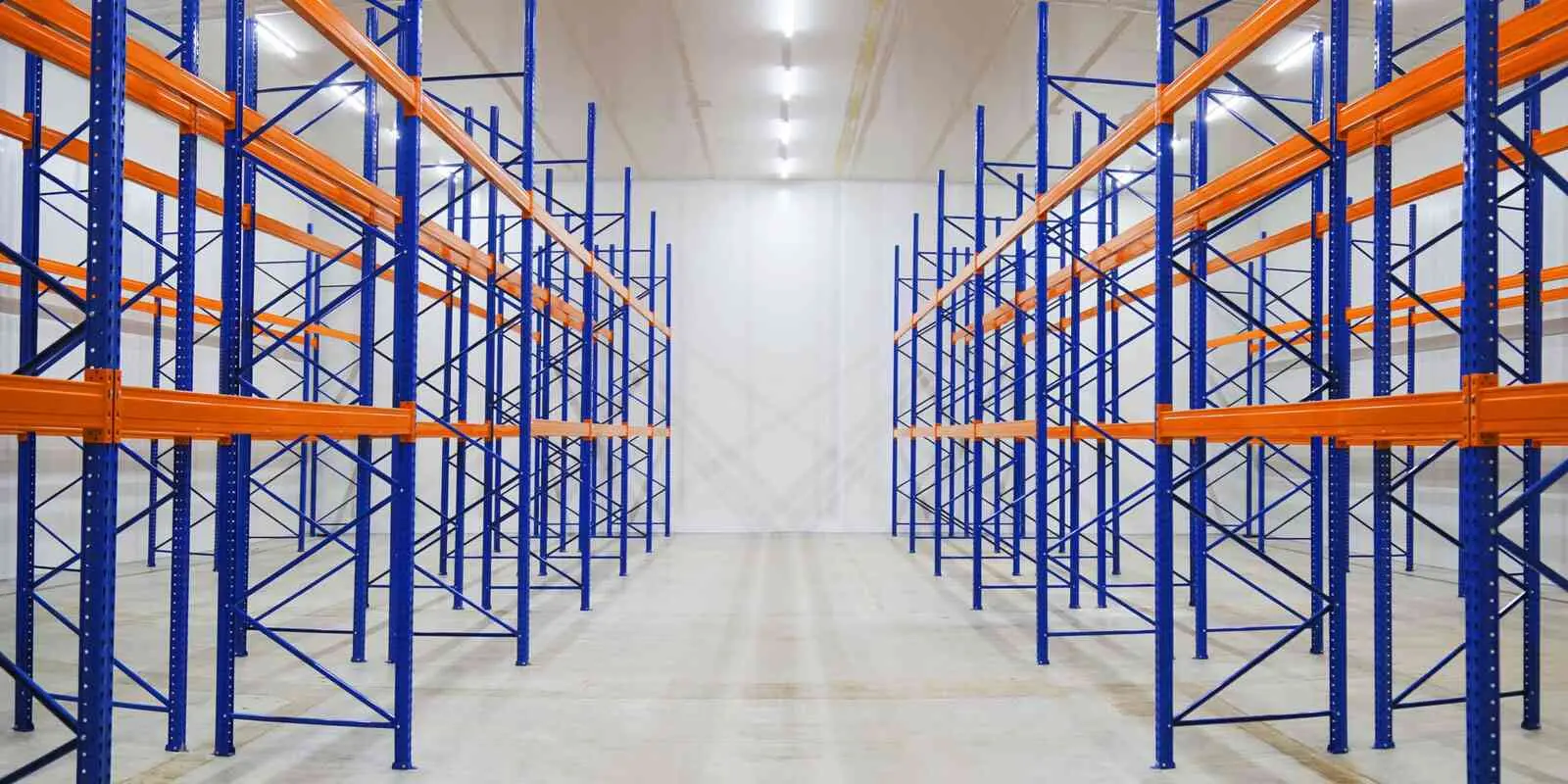
Industrial warehouse racking designed with future automation and material handling in mind

Automation is becoming a practical warehouse planning consideration, not only a future concept. AGVs, AMRs, shuttle systems and automated storage and retrieval equipment can impose more precise requirements on the storage structure and surrounding environment.

Automation-ready rack design starts with the equipment interface. Clearances, tolerances, rack alignment, floor flatness and load positioning may need tighter control than in a conventional manually handled warehouse.

Warehouse Racking Planning Process

1. AssessInventory, loads & goals
2. MeasureSpace, height & aisles
3. DesignLayout & rack selection
4. InstallAnchoring & setup
5. InspectUse, review & maintain

The layout should also account for sensors, conveyors, charging or transfer areas and safe interaction between people and automated equipment. Retrofitting automation into a rack layout that was never designed for it can introduce avoidable constraints.

Businesses that are not automating immediately can still plan ahead. Discuss likely future handling technology during the initial design so that rack configuration and building use do not unnecessarily limit later upgrades.

Planning note: Rack capacities, dimensions and layouts must be based on actual loads, site conditions and handling requirements. Obtain a project-specific assessment before installation or modification.

Frequently Asked Questions (FAQs)

It means planning rack geometry, tolerances, aisle layout, load presentation and interfaces with the future handling technology rather than treating racking and automation as separate systems.
Sometimes, but compatibility depends on aisle width, floor condition, clearances, picking interface, traffic design and the automation solution. A site-specific assessment is necessary.
Automated storage and retrieval systems often have specific structural, dimensional and tolerance requirements that should be coordinated with the automation provider and rack engineer.
If automation is likely within the system lifecycle, considering it during layout and rack selection can reduce future rework.
SKU profile, throughput, load dimensions, order patterns, inventory levels, peak volumes, floor and clear height, and process flow are useful planning inputs.

Educational information only. Final rack capacity, layout, anchoring and structural requirements must be confirmed for the actual site and load conditions.